AGP Executive Report
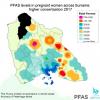
Last update: 2 hours agoOffshore Security & Trade Routes: A new US DEA assessment says military strikes on alleged drug boats haven’t reduced cocaine entering the US, but are pushing traffickers to use larger vessels, stay closer to coastlines, and fly from clandestine airstrips toward Guyana and Suriname. Local Environment & Health: A study on PFAS exposure in Suriname finds pregnant women in remote rainforest communities have higher “forever chemical” levels than those in more accessible areas, pointing to location-linked contamination pathways. Heritage Under Pressure: UNESCO added six sites to its World Heritage in Danger list, including Suriname’s Historic Inner City of Paramaribo, citing serious threats from development and other pressures. Amazon Mining Crackdown: Brazil’s “gold fingerprinting” lab uses forensic chemistry to trace seized gold to protected areas, aiming to curb illegal mining and mercury-linked harm. Caribbean Oil Economy Watch: A regional wages report highlights Suriname and Guyana’s low statutory minimum wages despite oil-driven growth, underscoring a gap between sector earnings and the wage floor. Offshore Industry Momentum: SBM Offshore says its Malaysia operation has become a Global Execution Centre, expanding local engineering and project-control roles for complex offshore energy work. Energy Finance Shock: Insurers are shifting coverage and cutting premiums for upstream projects outside the Middle East as war-risk uncertainty reshapes global oil and gas underwriting. Curaçao Logistics Push: Curaçao is pitching itself as a regional logistics hub for Suriname and Guyana oil exports, including storage, transshipment, and ship repair—backed by plans for further harbor investment.
Note: AI summary from news headlines; neutral sources weighted more to help reduce bias in the result. Feedback is welcome. Please let us know if you have any comments or suggestions about the AGP Executive Report.

 Perspectify News